Essential Water Management Tips for RV Camping Success
Proper water management is critical for successful RV camping, whether you're at a full-hookup campground or boondocking in remote locations. Understanding your RV's three water systems—fresh, gray, and black—enables you to camp comfortably for extended periods while protecting your investment. This guide provides practical strategies for conserving water, maintaining tanks, and handling seasonal challenges that every RV owner faces.
Understanding Your RV Water Systems
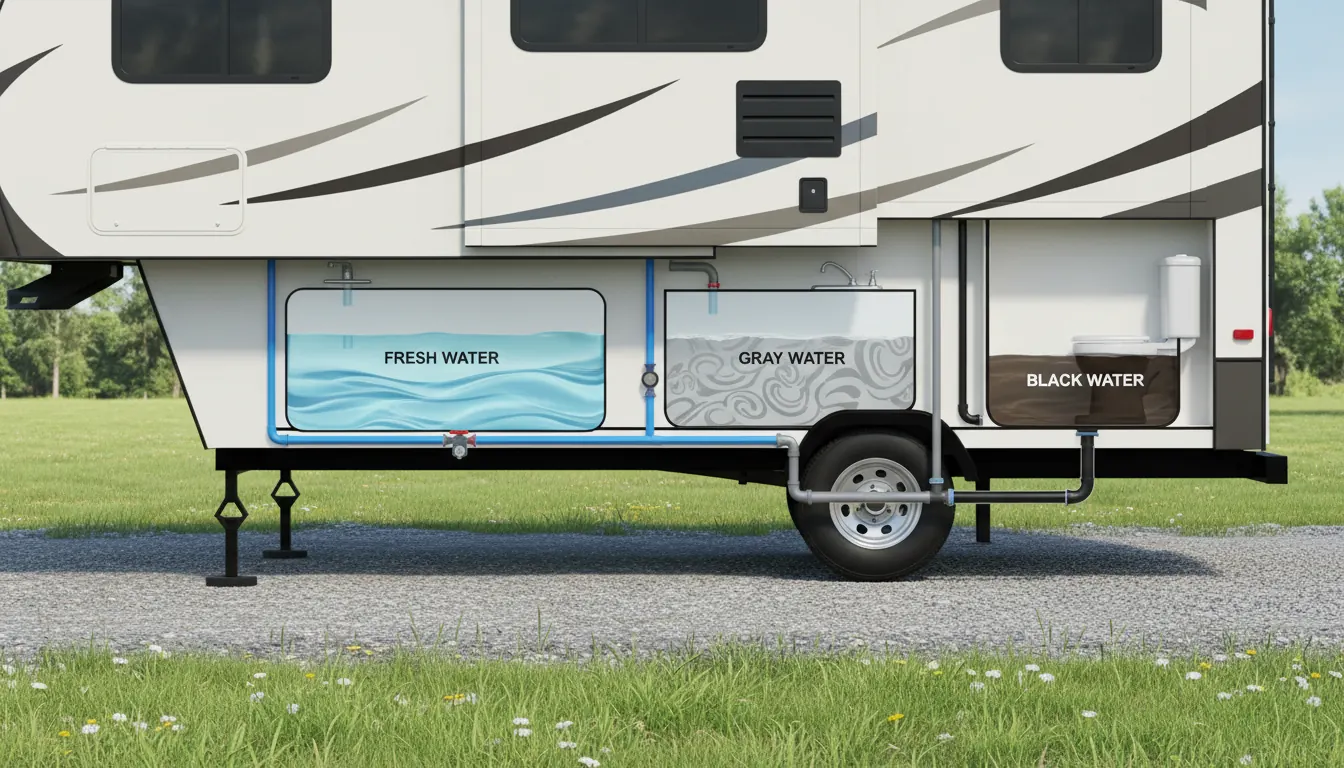
Every RV has three distinct water tanks that require different management approaches. The fresh water tank stores clean water for drinking, cooking, and washing. Gray water collects waste from sinks and showers, while black water contains toilet waste. Proper maintenance of all three systems prevents odors, extends tank life, and ensures sanitary conditions throughout your travels.
- Fresh water tanks typically hold 30-100 gallons depending on RV size and model
- Gray water tanks fill quickly during regular use, requiring strategic conservation efforts
- Black water tanks need appropriate chemicals and regular flushing to prevent buildup
- Tank sensors often give inaccurate readings due to debris accumulation on probes
- Regular deep cleaning prevents permanent damage and maintains system efficiency
Water Conservation Strategies Comparison
Different camping situations require varying levels of water conservation. These techniques help maximize your water supply in any scenario.
| Method | Water Saved | Difficulty |
|---|---|---|
| Navy showers (wet, soap, rinse) | 60-70% | Easy |
| Using paper plates for meals | 5-10 gallons/day | Very Easy |
| Low-flow faucet aerators | 30-40% | Moderate |
| Reusing gray water for flushing | 10-15 gallons/day | Advanced |
"The difference between experienced and novice RVers often comes down to water management—knowing when to conserve and when to refill makes all the difference."
Winterization and Seasonal Maintenance
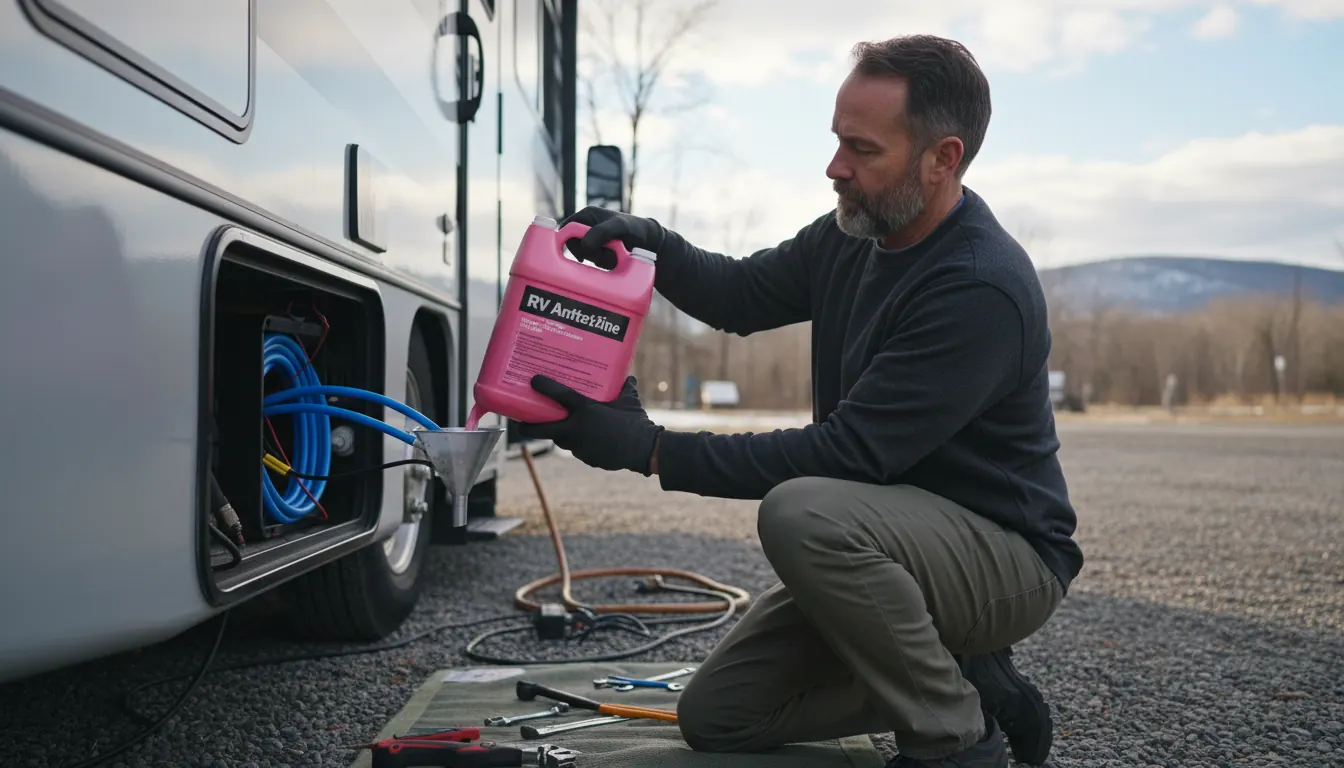
Protecting your water system from freezing temperatures is essential for RVers who camp in cold climates. Winterization involves draining all tanks, blowing out water lines with compressed air, and adding RV antifreeze to prevent damage from ice expansion. For those camping in freezing weather, heated water hoses, tank heaters, and insulated skirting become necessary investments that prevent thousands of dollars in repair costs.